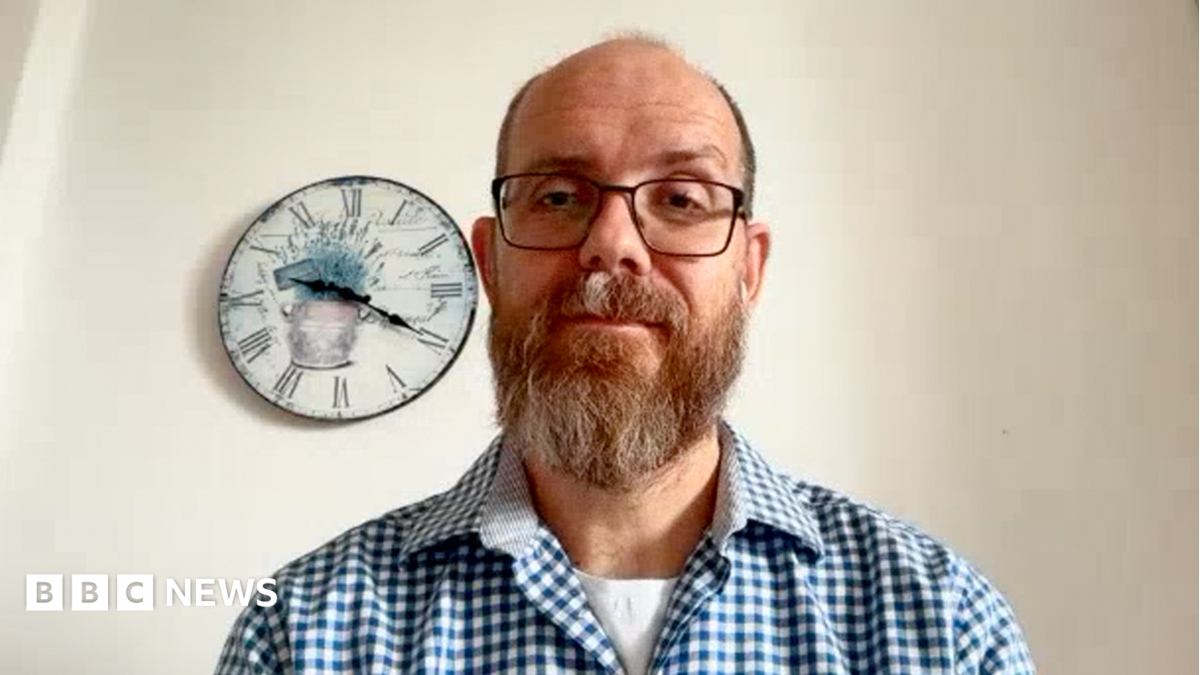
For more than 20 years, Ondřej Surý has been quietly helping to keep websites around the world running securely, largely in his spare time. He voluntarily maintains software for two of the most popular versions of Linux, a free operating system similar to Windows, which are often used on web servers. Typically, this involves keeping them up-to-date with the latest version of PHP, a programming language which underpins a significant number of the world's websites.
This week, he became very busy indeed. With the help of AI, two major cyber-security flaws were identified in the programming language, leading the the PHP Foundation to release fixes. But average folk may struggle to understand how to install these onto their systems - so Surý, for free, dropped everything to convert the fixes into packages, which can be easily installed without expertise.
"The feeling is like I am responsible for all these people and I can't fail them," he told BBC News. The vulnerabilities in PHP sparked an international scramble to install security updates, amid fears that cyber criminals could exploit the gaps. Surý is one of a small number of developers whose work helps make those updates available.
And while keeping the internet secure might sound like a full-time occupation, it isn't actually his day job. He works as director of DNS engineering at Internet Systems Consortium, a US non-profit organisation. But in his spare time, he has spent more than two decades voluntarily maintaining PHP software packages for the Linux versions Debian and Ubuntu.
He takes the source code released by the PHP project and turns it into packages which website operators can easily install on their servers. When asked how it felt to be described as one of the people who helped "save the internet" this week as some online put it, his response was modest. "It's kind of fulfilling because I sense my work has a purpose," he said.
"At the same time, I feel that not enough credit has been given to other people who has been part of this, like the PHP project people." But he also acknowledged the weight that comes with his role. Surý said this week had prompted an outpouring of support from people who relied on his software packages. He revealed that he received more than $10,000 (£7,470) in donations in just a few days.
"This week is basically about a year's worth of the contributions that I got before," he said. He said major technology companies should take more responsibility for supporting the open source software they depend upon. "I think they should be more responsible," he said.
"If you just take and don't give back then it will backfire." Surý has also been considering what would happen if he could no longer maintain the software packages himself. He said colleagues at software company Freexian could take over, but they do not yet have the same accumulated experience. "Yes, that's pretty much true," he said, when I asked him whether much of the responsibility ultimately rested with him.
But he is concerned that AI may be dramatically accelerating the discovery of security vulnerabilities, helping both cyber criminals and those trying to stop them. "I think this is was the most severe incident in years, but I think that because of the AI capabilities are getting better in the cyber security, this might not be an isolated incident," he said. "And people should be prepared to act this quickly more often because incidents like this might happen in the future - in the near future."
Source: BBC