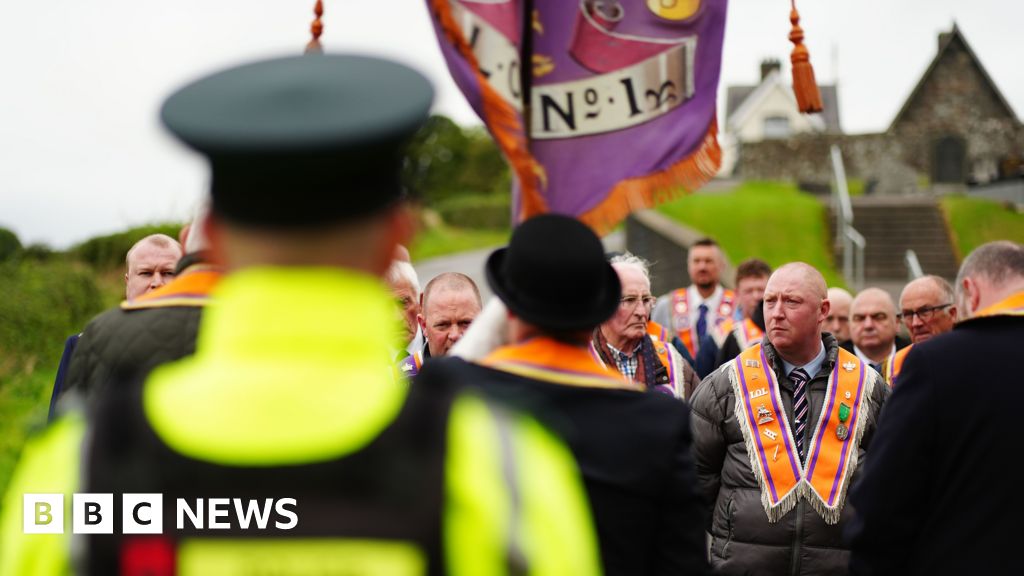
2 hours ago Julian O'Neill Crime and justice correspondent, BBC News NI PA Media The legal challenge was brought by a member of the Portadown Orange lodge A High Court bid to overturn the secretary of state's decision to ban the Drumcree parade has concluded, with the judge saying he will rule on the matter next week. The legal challenge was brought by a member of the Portadown Orange lodge. On day two of the hearing, Mr Justice Scoffield heard legal arguments by barristers for Sir Chris Bryant and Garvaghy Road residents.
Philip McAteer, the barrister representing Sir Chris, said had the minister not stepped in, the stand-off would have continued with "escalating" risk. The lawyer said by 9 October, the day Sir Chris intervened, the Parades Commission determination permitting the march could not be given effect based on police advice. 'Outside the confines' of the case Police Service of Northern Ireland (PSNI) Chief Constable Jon Boutcher had written to Sir Chris outlining the situation which existed, stating: The "PSNI's current assessment is that all available, lawful and proportionate options to facilitate completion of the procession have been exhausted. "Any remaining options would require a substantial public order intervention and this is not assessed to be proportionate, and which would carry an unacceptable risk of serious injury, disorder and a wider contagion affect across Northern Ireland." Denise Kiley KC, representing Garvaghy Road residents, said they could not be conflated with dissident republicans.
It is their case that the secretary of state's decision was lawful. On Monday, the court heard PSNI intelligence information that dissidents may have mounted gun attacks on the police had officers cleared a path for the parade. She said residents should "not be identified with, or held responsible for, the potential criminal conduct of any bad actors." She also pointed out the intelligence assessment stated it was "highly likely" loyalist paramilitaries would attend the Portadown area in increasing number, with disorder at Drumcree Church a "possibility".
The court was also told the PSNI had "nothing to add" to a reference in intelligence to "feelings of [Provisional] IRA" raised during evidence on Monday. Peter Coll KC, representing the chief constable, said it was "outside the confines" of the case. It did not form any part of the "key document" - the intelligence assessment Boutcher provided to the secretary of state on 9 October.
The lawyer suggested the matter could be left for the Policing Board to pursue. The latest flare-up of the Drumcree dispute has been full of legal challenges, involving the Parades Commission, Orange Order and Garvaghy Road residents. Earlier this year, the Parades Commission banned the Drumcree parade from entering the Garvaghy Road - a move which reflected every decision it has made since 1998.
Then came the night of eleventh hour drama. Permission for the parade was reinstated. However, due to residents' protests, which were not sanctioned, the 35 Orangemen permitted to march were unable to do so.
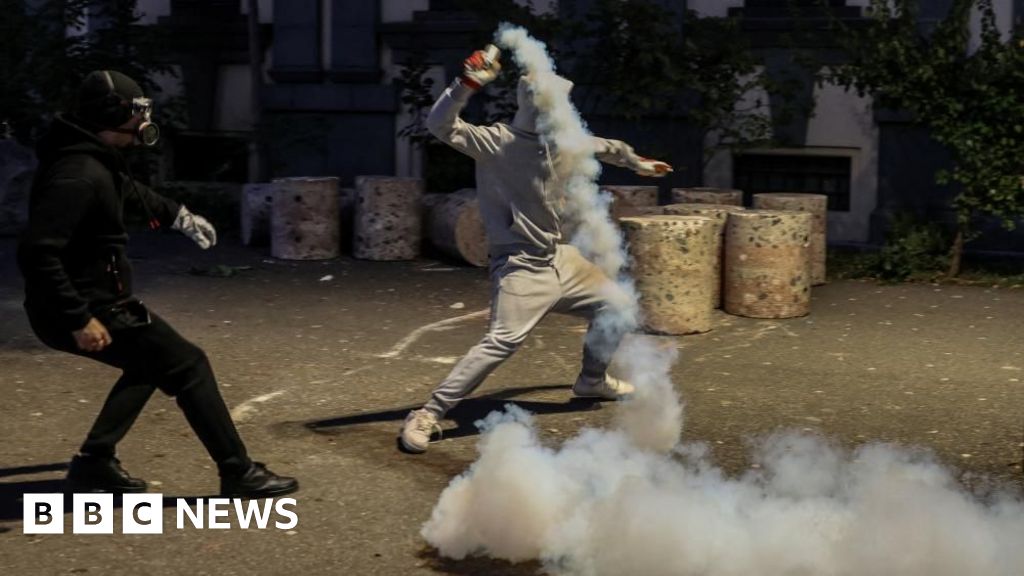
PA Media Protesters blocked the Garvaghy Road An almost two week-long stand-off commenced between protesters on the Garvaghy Road and members of the Orange Order and their supporters camped one-mile away at Drumcree Church. On 27 September the High Court refused residents leave to apply for a judicial review. The Court of Appeal said their ruling was confined to the lawfulness of the decision - it was not deciding whether or not the march should occur.
Lady Chief Justice Dame Siobhan Keegan said it was decided before Sir Chris banned the march on Friday. On the same day, the Portadown Orangemen successfully added Boutcher - which takes us to where we are today.
Source: BBC