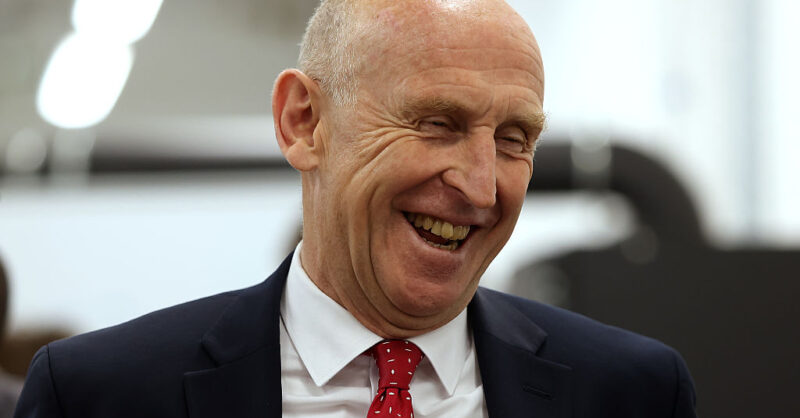
Photo by Betty Laura Zapata – WPA Pool/Getty Images Like a dispute with a neighbour, the triple lock on the state pension was a perfectly reasonable situation to get into, but after 15 years it’s become a bitter, expensive nightmare. It was so easy, 15 years ago, to tell Martin from next door that his new fence was a bit big. And now you’re accusing Martin of poisoning your cat, and he’s demanding you pay his legal fees, and you’ll probably both have to move.
Similarly the triple lock (which guarantees that the state pension will rise by inflation, or in line with wages, or by 2.5 per cent, whichever is highest) was a straightforward and popular way to spare future generations the poverty experienced by pensioners in previous decades. In 2010, it was an easy commitment to make. But it has gone too far.
Its impact on future spending has become disproportionate, and pensioners are now disproportionately unlikely to experience poverty (the people most likely to be in poverty are children ). The nature of the policy means we can’t say how much it will cost in future, but it’s a lot – tens of billions per year in today’s money. Subscribe to the New Statesman this summer - 2 months for only £2 Related
Source: New Statesman